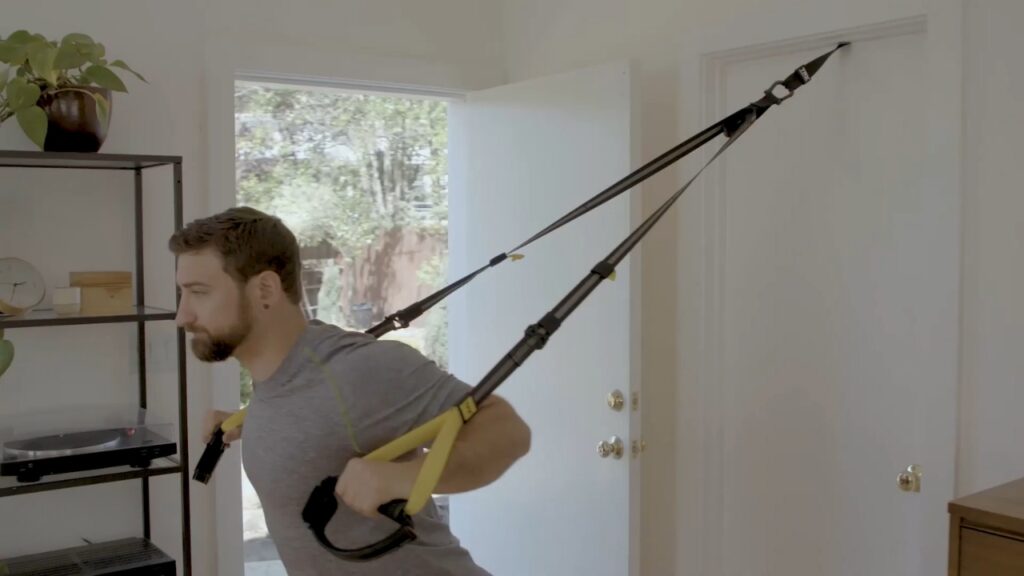
TRX started in a fairly practical way. Randy Hetrick was a Navy SEAL, he was away on deployment, and he wanted a way to keep training without access to a normal gym.
He started experimenting with what he had available, later adding parachute webbing and developing a setup that could support different bodyweight exercises. That rough solution eventually became the TRX suspension system.
What interests me more than the backstory, though, is why the idea still works. Give someone a secure anchor and a pair of straps, and you can make an exercise easier, harder or simply different by changing body position. That is exactly the kind of flexibility that makes TRX useful both in a gym and at home.
It really did begin with a jiu-jitsu belt
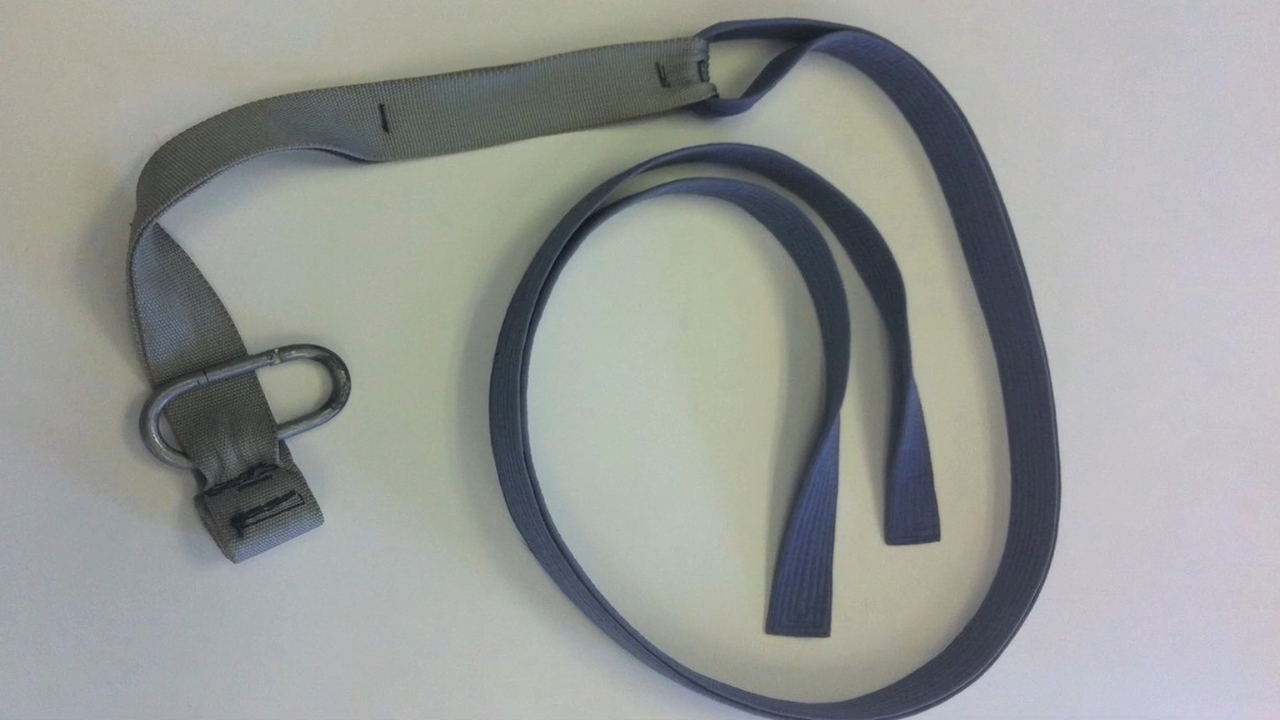
The origin story sounds like something a marketing team cooked up, but Hetrick actually tells it that way himself. In an ABC News interview, he said that he had accidentally packed a jiu-jitsu belt during deployment. He tied a knot in it, put it over a door and began experimenting with ways to pull his own bodyweight.
He then found several feet of spare webbing and made a more useful harness. Other SEALs started trying it and coming up with exercises of their own.
Hetrick wasn’t the only fitness inventor who started with equipment already at hand. The Concept2 Rower began with a bicycle nailed to a Vermont barn floor in 1981.
The first version was much rougher than the straps in your gym
The early system was essentially improvised military equipment. Hetrick has said that another Navy parachute rigger eventually helped produce versions of his homemade harness for fellow SEALs. In an interview with Athletic Business, he recalled that the rigger would make his “gizmo” for other members of the squadron.
After leaving the Navy, Hetrick continued developing the idea.
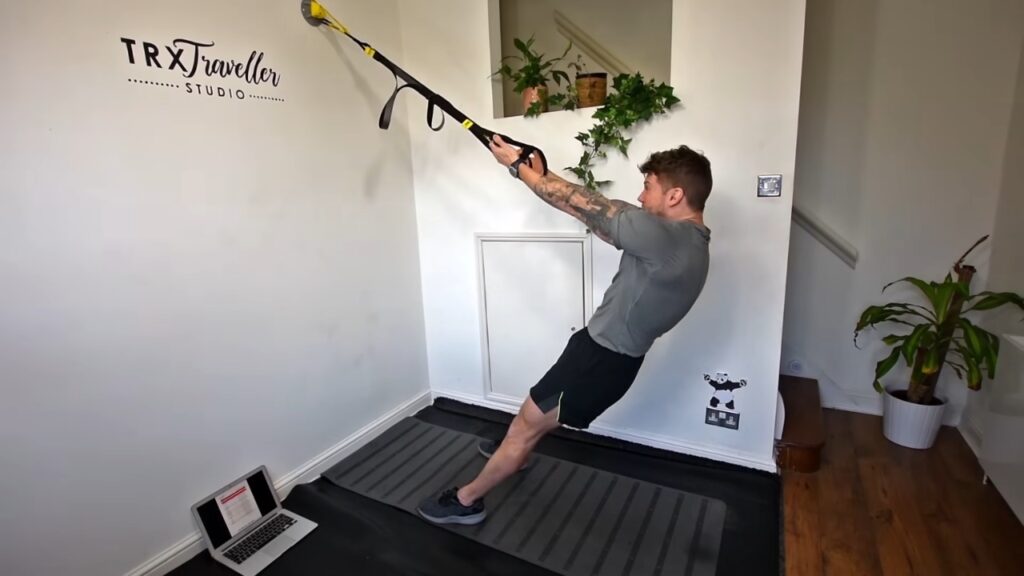
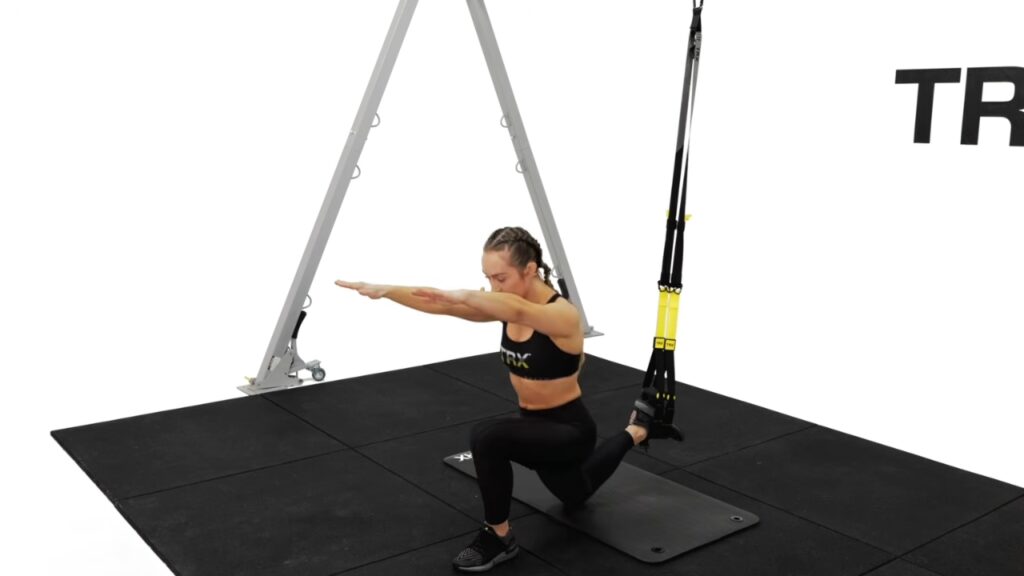
The straps got better over time, but the idea behind them stayed pretty much the same. One of the first things I show somebody using suspension straps is that you don’t always need to add weight to make an exercise harder. Take a TRX row and stand almost upright, and you are lifting a relatively small portion of your bodyweight. Walk your feet forward so your body leans farther back and the same exercise suddenly becomes much harder. I like this with beginners because progression is visible. Move your feet a little, repeat the exercise, and immediately feel the difference. There is no complicated machine setup and no need to guess which weight pin to use. Suspension training is often sold as if every exercise suddenly becomes a full-body movement because the straps are unstable. There is some truth in that, but I would not take it too far. I read one study on suspension training that found TRX exercises like push-ups, planks and hamstring curls can make your upper body and core work quite hard. Some suspended movements produced greater muscle activation than their stable versions, although the results depended heavily on the exercise. That also makes sense from what I see in the gym: If somebody tells me they want to train at home with limited equipment, suspension straps are easy for me to recommend. One secure anchor gives us pulling exercises, pressing exercises, leg work and plenty of options for the trunk. The straps are particularly good at filling the gap between “I can’t quite do this yet” and “I can do it without help.” Hold the handles during a squat or lunge and I can give somebody confidence without doing the exercise for them. Put TRX into a social-media search and you will eventually find somebody upside down, standing on one leg and doing something I would struggle to name. That doesn’t mean suspension training needs to look like that. If you are new to it, I would start with four movements: row, assisted squat, chest press and a simple supported split squat. Learn how changing your angle changes the resistance and how to keep tension in the straps. Also where your feet need to be. If instability is making the exercise so difficult that you can no longer train the movement you intended to train, make it easier. More wobbling doesn’t automatically mean better training. Sometimes it simply means you chose a progression you are not ready for. I like TRX. I would still keep dumbbells, barbells and machines in my gym. A study comparing suspension training with conventional resistance training in previously untrained older adults found that both approaches produced similar improvements in muscle thickness, strength and several measures of physical function over 12 weeks. That makes suspension training useful. It doesn’t make other forms of resistance training obsolete. If somebody wants to become very strong in a squat, deadlift or bench press, I am going to use those lifts or close variations. If somebody wants a portable way to train their whole body, TRX becomes much more attractive. Use the tool that matches the job. TRX can also work well for older adults because the straps give extra support. For example, someone can hold them during squats or lunges to feel more stable, then rely on them less as strength and balance improve. I also found a 12-week study with healthy older adults where participants used progressively harder TRX exercises and stuck with the program well. The good thing is that you can make the exercise easier or harder depending on the person using the straps. If you train with TRX at home, spend a minute checking the anchor before you start. The door, beam or wall mount needs to be secure enough to hold your weight, and I would always follow the instructions that came with the straps. I also check the straps and stitching for wear. Then I put some pressure through the system before leaning back fully. It only takes a few seconds, and it is worth doing every time. If space is limited, yes, I would seriously consider suspension training. It gives you a lot of exercises without filling the room with equipment, and you can make movements easier or harder surprisingly quickly. For an apartment home gym, a suspension trainer can provide strength exercises without a rack, loose weight plates or heavy equipment on the floor. For more ways to use bands, dumbbells, and suspension straps in one corner, see my small home gym ideas. If space is tight, my home gym setup guide starts with the room and builds the equipment list around it. I would not make it my only training method forever. Once somebody wants heavier leg training or very specific strength progression, external weights make life easier. But paired with adjustable dumbbells, resistance bands or even just regular bodyweight work, suspension straps give you an enormous amount to work with. That is probably why Hetrick’s original idea lasted. The clever part was never the jiu-jitsu belt itself. It was realizing that if you have a secure anchor, a pair of straps and your own bodyweight, you already have the beginnings of a gym.
Did you know that TRX gets harder when you move your feet
What TRX actually adds to a workout
Where I think TRX works particularly well
Beginners do not need the circus version
TRX can build strength, but it doesn’t replace everything
TRX Can Be a Good Option for Older Adults
One thing I would never improvise is the anchor
Would I choose TRX for a home gym?