
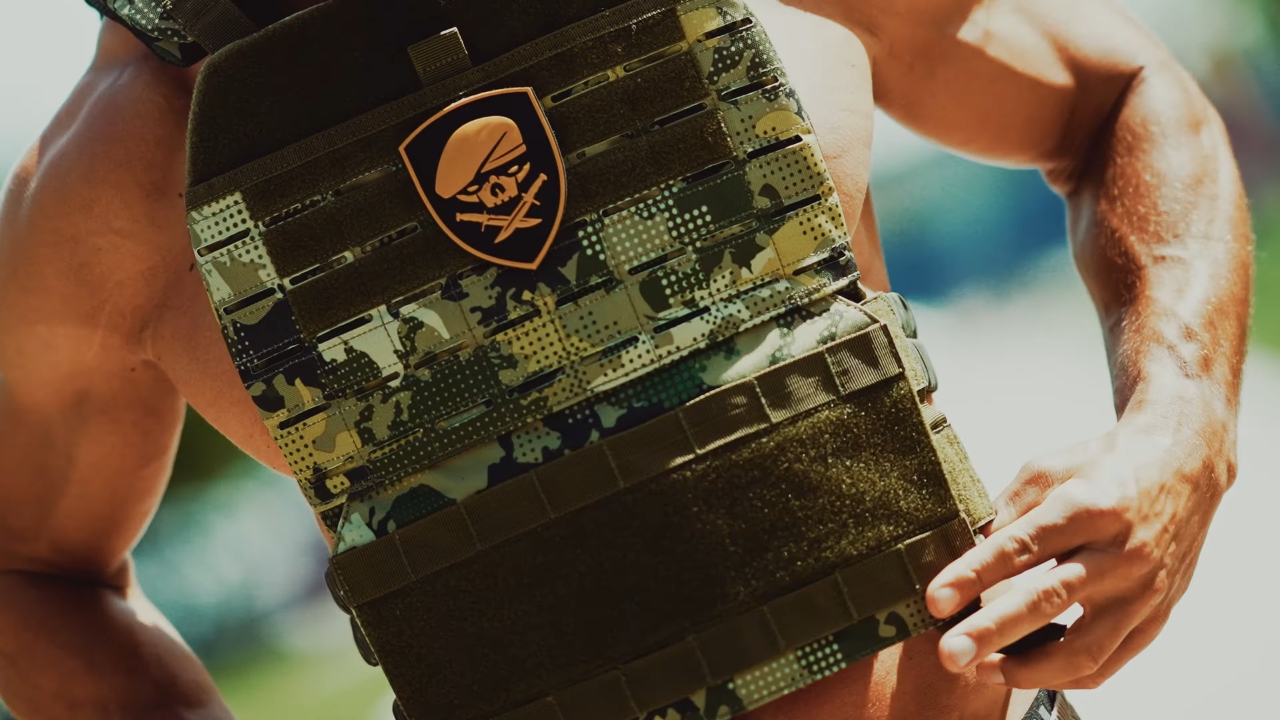
Walking, step-ups, split squats, calf raises, and some bodyweight exercises can all become noticeably more demanding once you add a few kilograms around the torso.
As we get older, everyone suddenly gets curious if wearing one can protect your bones.
There is some science behind that idea. Bones respond to mechanical loading, and a vest increases the load your body has to support. But I would not buy one and spend the day walking around the house expecting stronger bones. What you do while wearing the vest matters far more than simply having extra weight strapped to your chest.
Why Extra Weight Can Matter to Your Bones
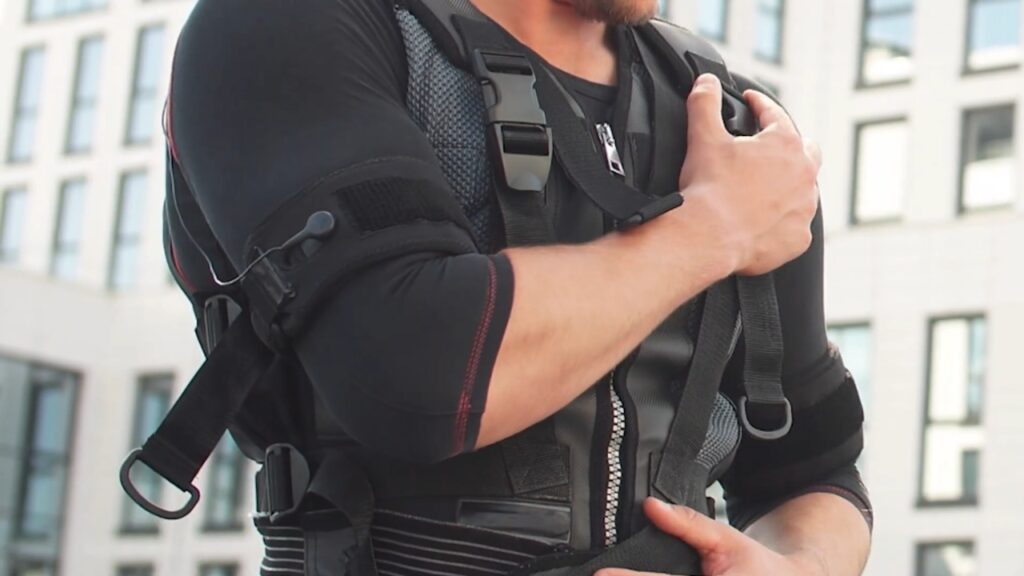
Bone is living tissue. It responds to the demands placed on it, which is one reason weight-bearing activity and resistance training are recommended for maintaining bone strength. When muscles pull against bone, and your skeleton deals with forces from standing, walking, lifting, and impact, those forces provide a stimulus that helps maintain bone tissue.
A weighted vest can increase that stimulus because your body suddenly has more mass to move. A step-up with your normal bodyweight and a step-up wearing an extra 5 kg are not quite the same job for your hips and legs.
Still, experts at the Bone Health and Osteoporosis Foundation say there’s no solid proof yet that weighted vests strengthen bones or stop fractures.
That’s the same point I’d make in the gym, because all that really counts is adding weight to your body, and wearing a vest is just one easy way to do that.
The Research is Promising, but It is Not a Guarantee
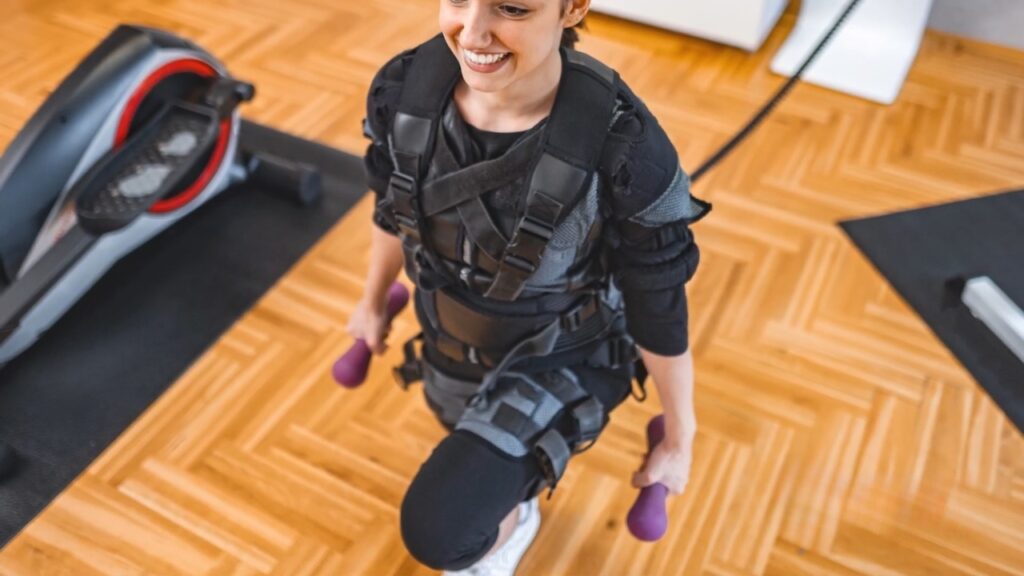
Some of the studies are genuinely interesting. One long-running trial followed postmenopausal women who performed lower-body exercises and jumping while wearing progressively loaded vests.
After five years, the exercise group maintained hip bone mineral density better than the comparison group.
You can read the five-year weighted-vest study yourself, but notice what the participants actually did. They did not simply wear the vest while making breakfast. They exercised three times per week, and the program included jumping.
More recently, a 2026 systematic review and meta-analysis of nine randomized trials found that vest-plus-exercise improved femoral-neck and lumbar-spine bone mineral density compared with usual activity.
The important detail: when researchers compared adding a vest with exercise alone, they did not find a confirmed extra bone-density benefit. That comparison was also based on limited evidence.
So can a weighted vest actually protect your bones?
It may be a useful part of exercise that helps maintain or improve bone strength, but I would not describe the vest itself as bone protection.
That might sound like splitting hairs, but it matters. Imagine two people wearing identical vests. One performs progressive step-ups, squats, and brisk walks several times each week. The other wears theirs for an occasional slow walk around the house. Both technically use weighted vests. Their training stimulus is very different.
A trial involving adults in their seventies makes the point nicely. Participants wore vests equal to 3% or 5% of bodyweight for two hours a day, four days per week, but were not given specific exercises.
Researchers found no improvement in strength, physical performance or bone-turnover markers and concluded that the stimulus was probably too low. The full trial is available through PubMed.
Where I would actually use one in the gym
If somebody already moves confidently and I want to progress an exercise, the vest can be very handy. The biggest advantage is that the load stays close to the torso and leaves both hands free.
- walking on a treadmill or around the gym;
- step-ups onto a low platform;
- bodyweight squats and split squats;
- controlled calf raises;
- stair climbing;
- walking lunges for someone who already performs them well;
- push-ups when normal repetitions have become easy.
I particularly like vests for step-ups because progression is straightforward. Somebody might begin with bodyweight, then add a small amount of vest load while keeping the same controlled movement.
I would not use the vest just because we own one. If a dumbbell, machine, or normal bodyweight exercise gives me a cleaner progression, I will use that instead.
How much weight should you put in the vest?
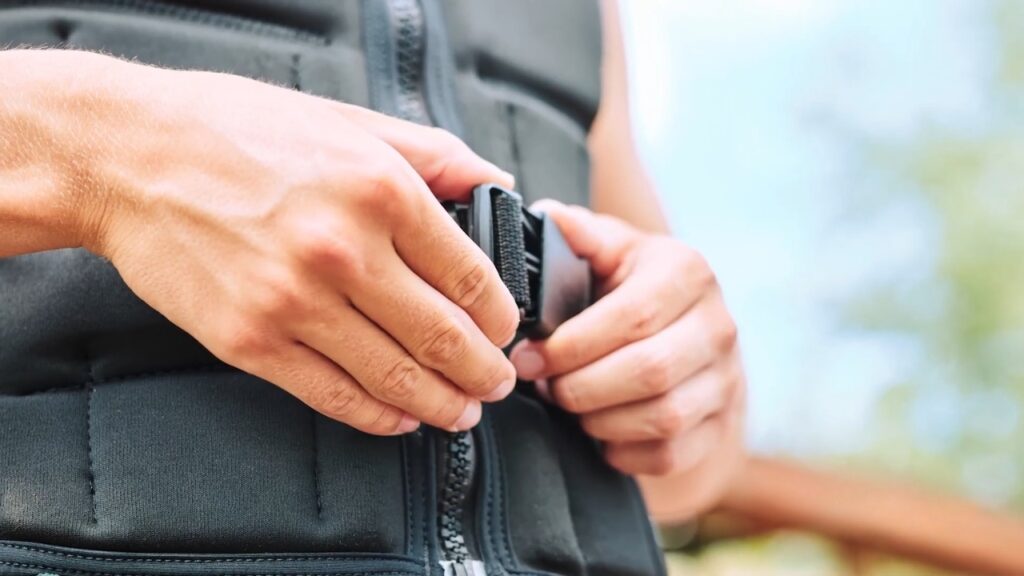
This is usually the first practical question I get, and I do not think there is one percentage that everybody should copy. Research protocols have used very different loads. Some studies started around 3% to 5% of bodyweight, while others progressively reached much higher loads during supervised exercise.
In the gym, I care more about what happens to your movement once the vest goes on.
| What I see | What I would usually do |
| Normal posture and steady movement | Keep the current load and build time or repetitions gradually |
| Leaning forward noticeably | Reduce the vest weight |
| Shorter, awkward steps | Reduce the load or remove the vest |
| Knee, hip or back pain | Stop and work out why it hurts before continuing |
| Exercise has become easy for several sessions | Consider a small progression |
The vest should make the exercise harder. It should not completely change how you perform it.
When to be careful?
I see this whenever a piece of equipment becomes popular. Someone buys it, so suddenly it has to appear in the warm-up, treadmill work, squats, push-ups, stairs and half the rest of the session.
I would be especially cautious about adding a heavy vest to running, jumping or fast direction changes if someone has not built up to those activities first. Adding mass increases the forces the body has to manage, and sloppy movement tends to become sloppier when you make it heavier.
I also would not put a vest on somebody who is struggling with basic balance just to make the exercise feel more serious. We can improve strength and balance first.
Can You Use a Weighted Vest With Osteoporosis?
View this post on Instagram
If you have osteoporosis, osteopenia, or you have broken a bone before, I would be much more careful with a weighted vest. It is something I would want you to discuss with a doctor or physiotherapist before adding extra load.
That does not mean people with osteoporosis should avoid strength training. Quite the opposite. The Royal Osteoporosis Society explains that strength and impact exercise can be appropriate for many people with osteoporosis, provided the exercises match the person’s condition and ability.
A weighted vest requires more individual judgement.
- experienced spinal fractures,
- undergone spinal surgery
- or have a high risk of fracture.
Previous fractures, balance problems, significant back pain and medical conditions affecting exercise tolerance are all things I would want discussed with the appropriate doctor or physiotherapist first.
This is one of those cases where copying somebody else’s gym routine is particularly unhelpful.
What I would do if bone strength were the goal
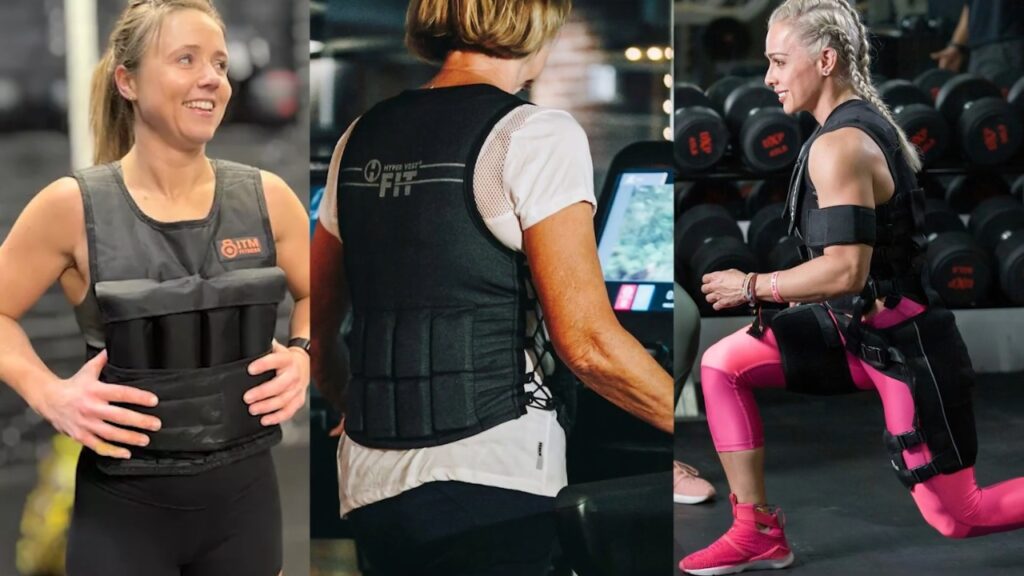
I would start with regular strength training and use a weighted vest only when it adds something useful. Begin with a light load, roughly 3–5% of bodyweight for walking or simple exercises, and keep the first sessions short.
If your posture, balance, and movement still feel normal after a week or two, increase only one thing at a time: either the weight, the duration or the number of repetitions. Do not increase all three together.
Bone adapts slowly, so this is something you judge over months, not after a few workouts. The vest can add extra load, but the real benefit comes from consistent training that gives your bones a reason to stay strong.
FAQs
Does a weighted vest reduce fracture risk?
There’s no strong evidence showing that weighted vests directly reduce fractures. Most research looks at bone mineral density, strength or physical performance, which are related to bone health but are not the same as proving fewer fractures.
Can a weighted vest replace strength training for bone health?
No. A vest can add useful load to walking and bodyweight exercises, but it does not replace progressive resistance training. If bone strength is the goal, I would treat the vest as an extra tool rather than the main part of the program.
How do you know when a weighted vest is too heavy?
If the vest changes the way you move, it is probably too heavy for that exercise. Leaning forward, shortening your stride, losing balance, rushing repetitions or developing joint or back pain are all signs that the load needs to come down.